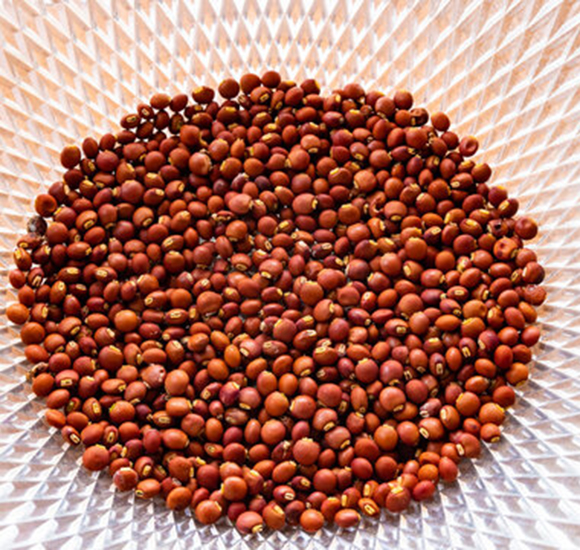
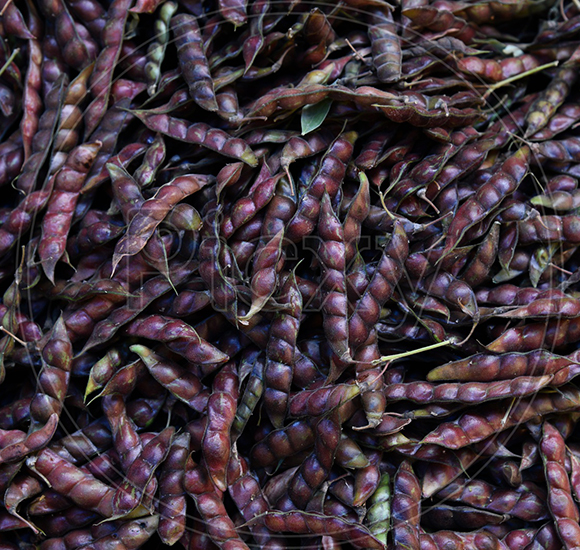
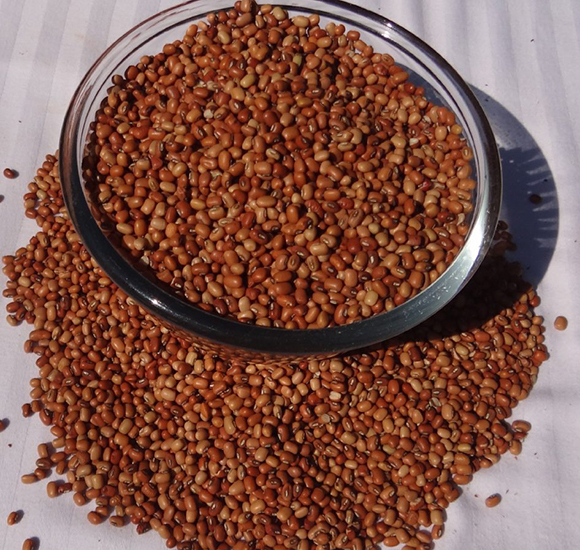
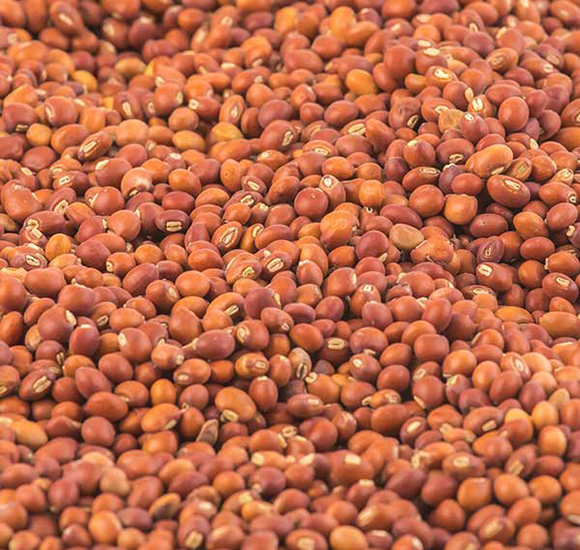
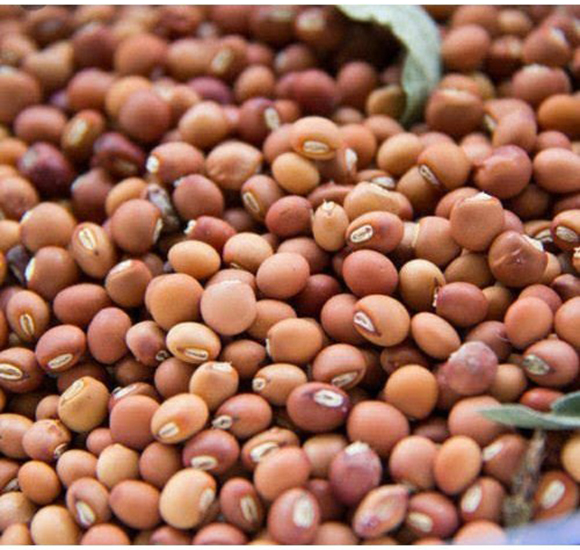
Red gram is commonly known as Tur or Arhar (Pigeon pea) in India and is the second important pulse in the country after gram (chana). The ability of red gram to produce high economic yields under soil moisture deficit makes it an important crop in rain fed and dry land agriculture. Redgram is an important rain fed crop in the state of Andhra Pradesh cultivated in 2,40,000 ha. Main growing season is kharif. It is an integral component of various cropping systems and is grown sole or as an intercrop with groundnut, millets, cotton and other pulses. It is consumed on a very large scale in South Asia and is a major source of protein for the population of the Indian subcontinent. It is the primary accompaniment to rice or roti and has the status of staple diet throughout the length and breadth of India.
Red gram is a protein rich staple food. It contains about 22 percent protein, which is almost three times that of cereals. Red gram supplies a major share of protein requirement of vegetarian population of the country. Red gram is mainly consumed in the form of split pulse as Dal, which is an essential supplement of cereal based diet. The combinations of Dal-Chawal (pulse-rice) or Dal-Roti (pulse-wheat bread) are the main ingredients in the average Indian diet. The biological value improves greatly, when wheat or rice is combined with Red gram because of the complementary relationship of the essential amino acids. It is particularly rich in lysine, riboflavin, thiamine, niacin and iron.

From handpicked sellers

Visa, Paypal, Master

30 day guarantee

Support every time